

New report reveals a North-South divide in access to residential educational visits

Children in the North of England are less likely to take part in and benefit from residential visits than those attending schools in the South, according to a new analysis of data from over 25,000 educational settings in England.
The findings have been published in a new report, Different Journeys: Regional variations in English school residential visits and changes over time by the Council for Learning Outside the Classroom (CLOtC) in partnership with eduFOCUS, providers of EVOLVE. The report draws on EVOLVE data from more than 25,000 educational settings in England, enabling a large-scale quantitative analysis of residential provision across English regions.
There are noticeable geographical differences across England, with levels of residential provision being offered by schools appearing to reflect measures of relative deprivation. The analysis also highlights fundamental changes in residential provision over time, particularly since the COVID pandemic.
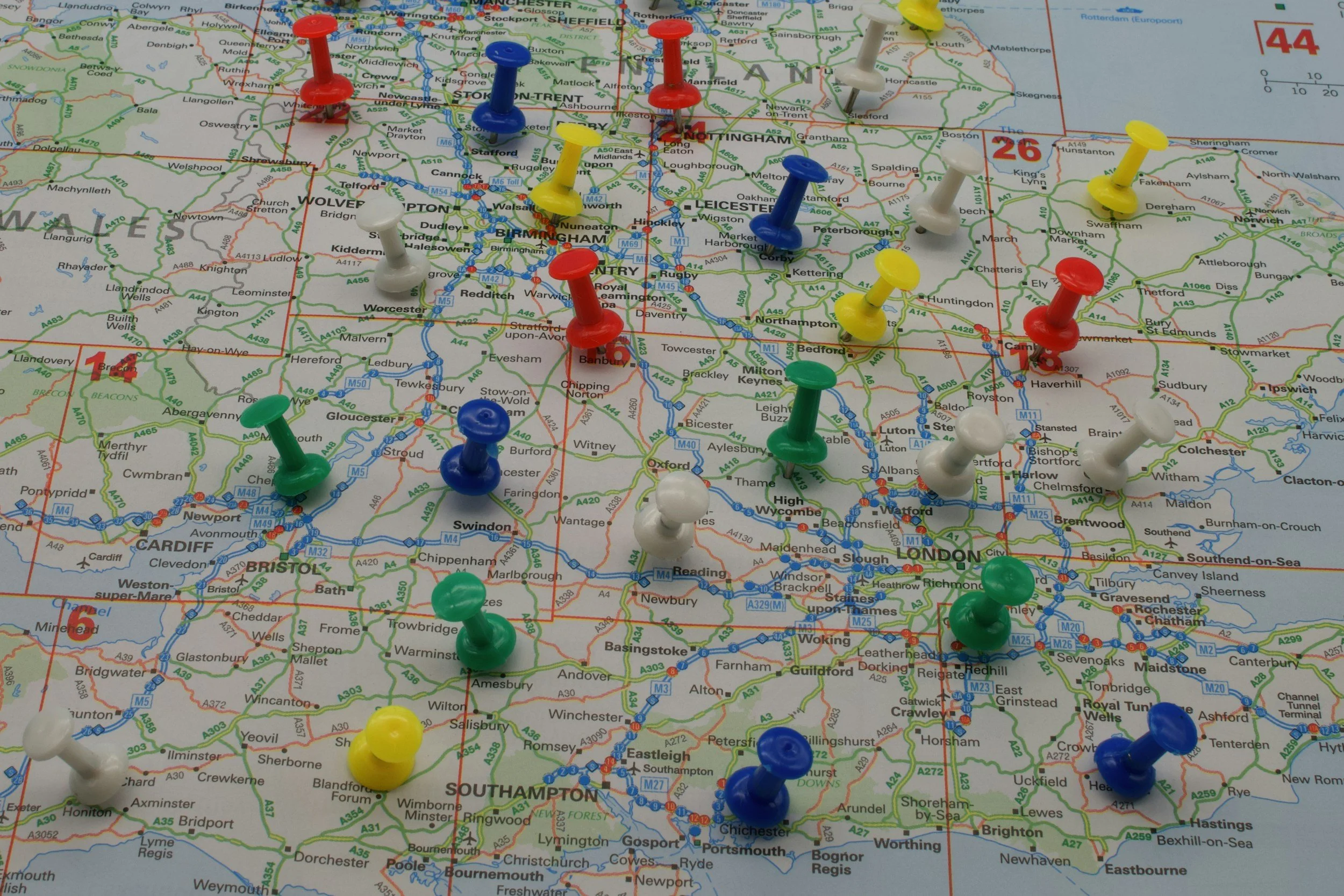
North-South divide
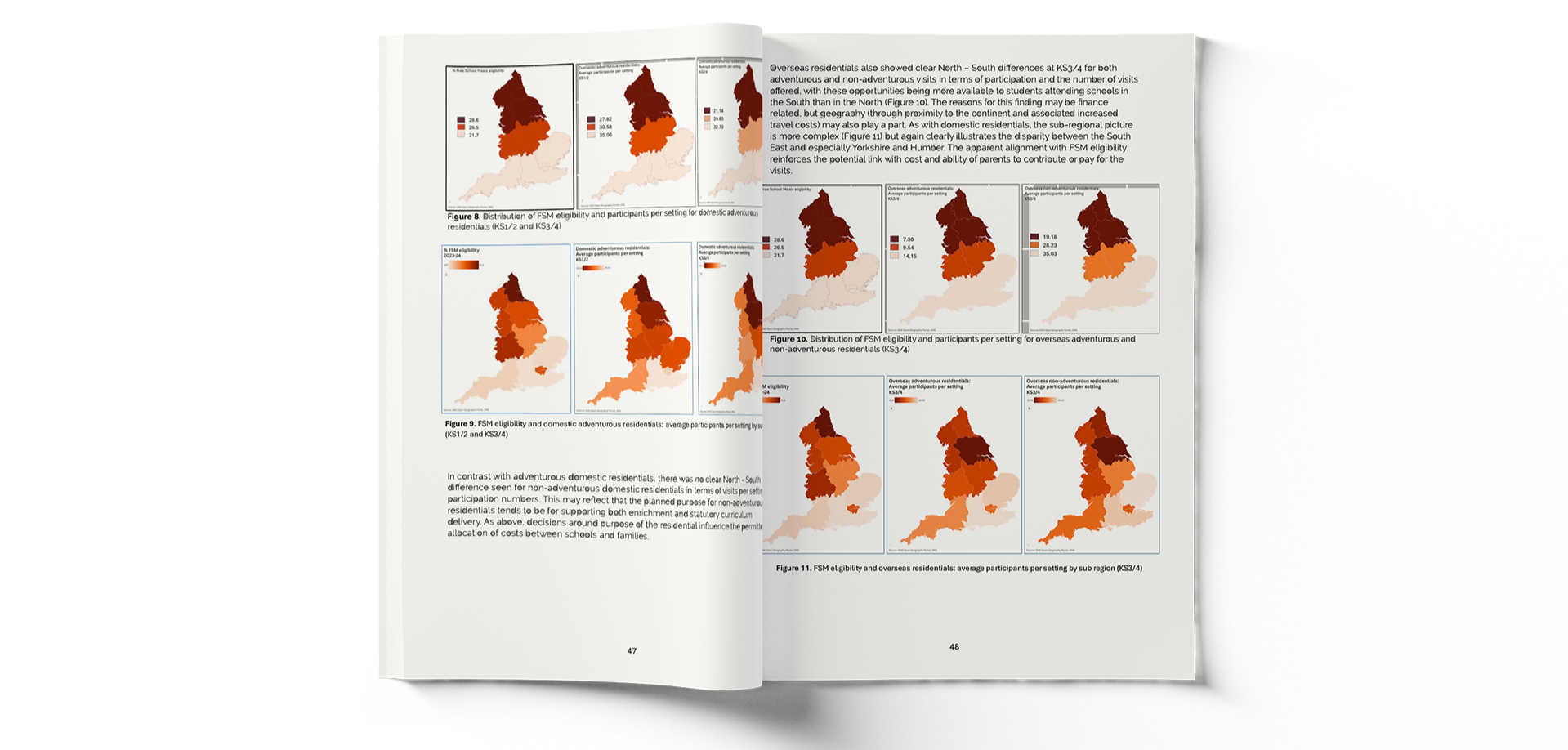
The average number of visits per setting and the average participation per setting on overseas residentials in the South were almost double those in the North. (p4)
Postcode or paycheck – what is driving inequalities?
The findings suggest that children and young people attending schools in the North of England are less likely to take part in and benefit from residential visits than their Southern counterparts, particularly for UK adventurous residentials and overseas visits.
Aggregated results from the regions that make up the North, Midlands, and South of England showed a gradient in residential provision from North to South. This gradient appears to reflect relative deprivation as measured by eligibility for Free School Meals, which may indicate that socio-economic factors are involved.
Key findings
There are clear differences in residential provision across the North and South of England.
The geographical pattern seen closely mirrors that for Free School Meals eligibility, indicating a possible link between socio-demographic factors and opportunity to take part in residential visits.
There is evidence of reduced opportunity for students to take part in residentials, particularly non-adventurous residentials and overseas residentials, since the pandemic and financial crisis.
Overall, there is a reduction in residential visits being organised per school/setting, suggesting fewer opportunities to benefit from these experiences.
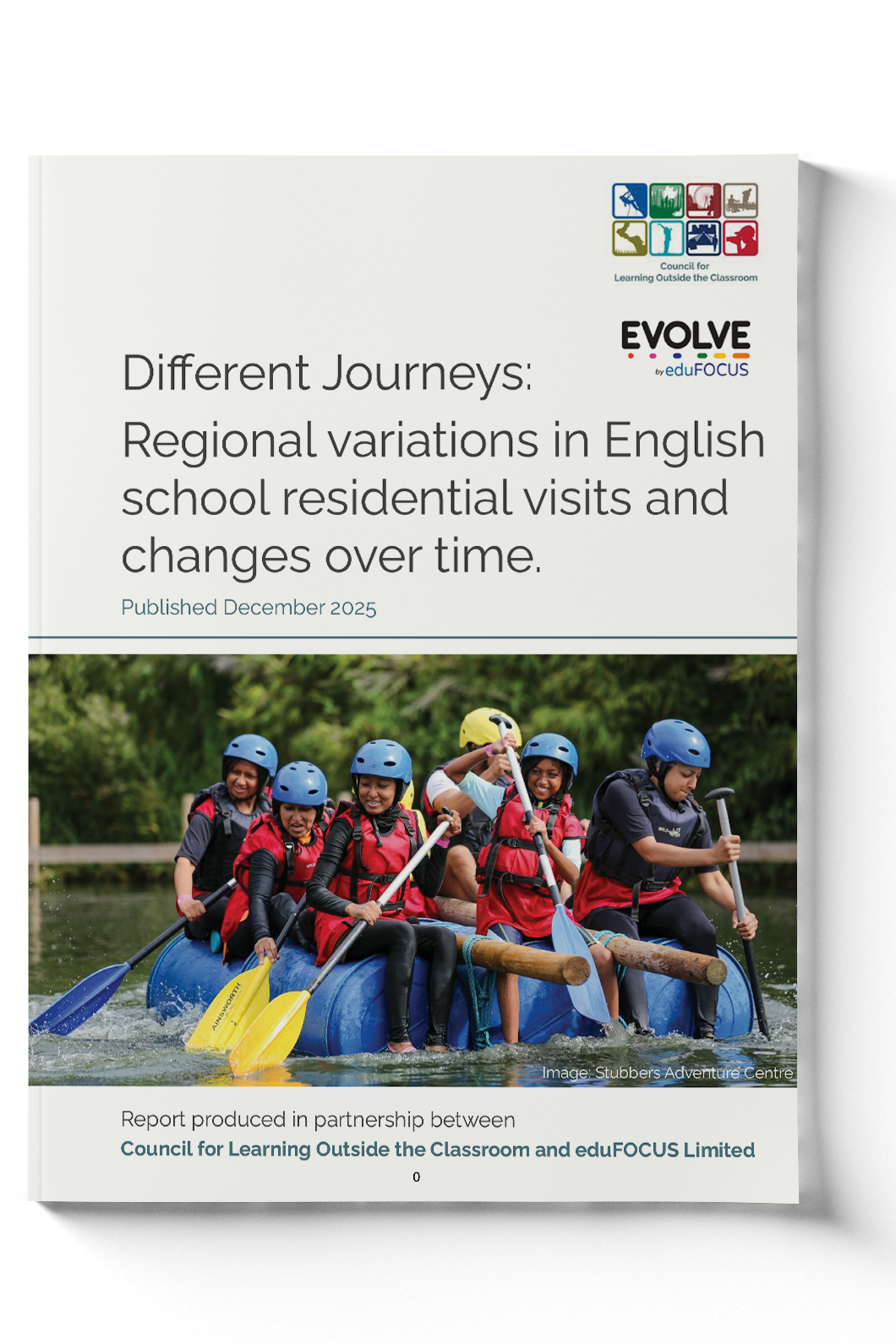
Different Journeys: Regional variations in English school residential visits and changes over time
An important new analysis of residential educational visits across England.

A positive finding: adventurous residentials appear to have returned more closely to pre-pandemic levels. This finding may reflect the role of this type of residential in supporting student personal development and wellbeing post-pandemic.
Jake Wiid, Director at EVOLVE Advice welcomed the report, saying:
“An analysis of this scale is hugely important evidence to back up what advisers and schools have known for some time – schools and families are struggling financially, with reduced budgets and rising transport costs presenting the greatest challenges. School leaders and Educational Visits Coordinators are working hard to find ways to provide high-quality, inclusive residential experiences for their students. A shift towards shorter residential (three day, two night) visits, perhaps shoulder season or closer to home, is likely to reflect these efforts.
“As advisers, we will continue to work with our schools to help them find solutions, including providing and signposting to funding, and with partners across the sector to ensure that children and young people can continue to access these vitally important residential experiences”
What next?
The report calls for further collaboration to better understand the implications of these findings, in particular:
whether some groups of children and young people are missing out on residential experiences, and why;
a more nuanced and complete understanding of the differences in learning outside the classroom (LOtC) provision across all schools, all home nations, and for all types of LOtC.
Dr Anne Hunt, CEO of the Council for Learning Outside the Classroom, says:
“The finding that there are differences in residential provision over time and across regions in England is important insight if we are to remove barriers to opportunity and deliver an entitlement for enrichment. In particular, the apparent similarity between the gradients seen for residential provision and eligibility for Free School Meals as you move from the North to the South of England is striking.’’
She adds:
“The next step is to understand the factors and drivers that sit behind these differences, so we can ensure all children and young people have equal opportunity to benefit from the educational experiences that schools plan to support their students’ personal development, curricular learning, and enrichment.”
Citation: Harvey, D., Jenkins, S., Baker, D. and Hunt, A. (2025) Different Journeys: Regional variations in English school residential visits and changes over time. The Council for Learning Outside the Classroom.
About the Council for Learning Outside the Classroom (CLOtC)
CLOtC is the UK charity champion for all learning that happens beyond the classroom. They work with schools and other educational and community group settings, LOtC providers and other partners to drive up standards, remove barriers, and ensure all children and young people can benefit from high-quality experiences, indoors and outdoors, close to home and further afield. https://www.lotc.org.uk
About eduFOCUS and EVOLVE
eduFOCUS develops technology that helps schools plan, manage and approve educational visits. The EVOLVE system is used by more than 25,000 education establishments and supports safe, high-quality delivery of learning beyond the classroom. https://www.edufocus.co.uk