

Top Tips for Hot Trips

With temperatures expected to rise during the summer months, schools should consider the impact of hot weather when planning educational visits and outdoor activities.
The weather is an important consideration when planning an outdoor activity, but most visits will be planned before a reliable weather forecast is available. As a result, visit leaders are encouraged to involve weather considerations into their planning and have plans in place should conditions become unsafe.
It’s worth refreshing your visit teams on National Guidance 7.2j Weather and Group Safety, which covers managing sun exposure, sunscreen application, and heat exhaustion along with other weather hazards.
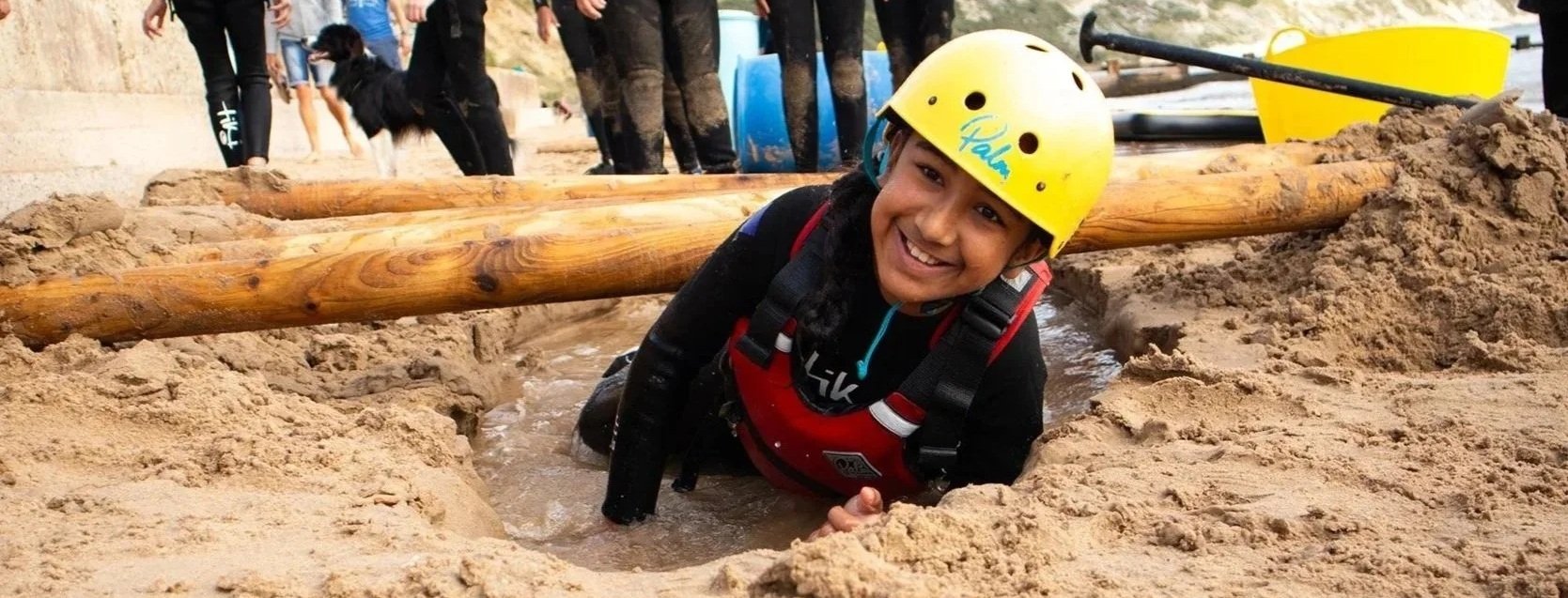
Image: Land & Wave
top tips for managing Educational Visits in a heatwave:
Before you go:
Check the forecast and consider rescheduling if temperatures are extreme and shade is not possible
Plan activities for early morning and avoid midday heat (11am–3pm)
Scout shaded routes and rest spots in advance
Send parents a kit list: sunscreen, hat, water bottle, light clothing
Work with your provider or venue if using one
Hydration
Ensure every child has a large water bottle (at least 500ml–1L)
Take some additional frozen water bottles
Schedule regular water breaks every 20–30 minutes — don’t wait for children to ask
Identify water refill points along the route or at the venue
Sun protection
Require hats with brims, make it non-negotiable
Ask parents to apply sunscreen before departure; bring spare SPF 50+ for reapplication
Reapply every 2 hours, especially after sweating
On the day
Take headcounts in the shade, not in direct sun
Build in more rest time than usual, heat slows everyone down
Identify a cool indoor space at the destination as a fallback rest area
Keep the group moving in smaller clusters to avoid crowding and extra body heat
Watch your colleagues, teachers and school staff often forget about themselves.
Spotting heat illness Know the warning signs and act fast:
Heat exhaustion: heavy sweating, pale/clammy skin, dizziness, nausea → move to shade, cool with water, give fluids
Heatstroke: hot/dry skin, confusion, loss of consciousness → call 999 immediately
Admin
Carry a first aid kit with a cooling spray or damp cloths
Have emergency contacts and medical info for every child
Speak with the venue in advance so they can prepare shaded areas or cool rooms
If in doubt, don’t go out. No trip is worth a child’s (or adults) health.
Further Reading
DfE Guidance - Hot weather and heatwaves: guidance for schools and other education settings
Melanoma Fund - Sunguarding Outdoors
Melanoma Fund - Top Myths
This publication is a general summary of guidance. It should not replace advice tailored to your specific circumstances. ©️EVOLVE Advice 2026
If you’d like further support on this issue, or advice on other aspects related to educational visits, speak to your Educational Visits Adviser.