

Take your allergy training offsite
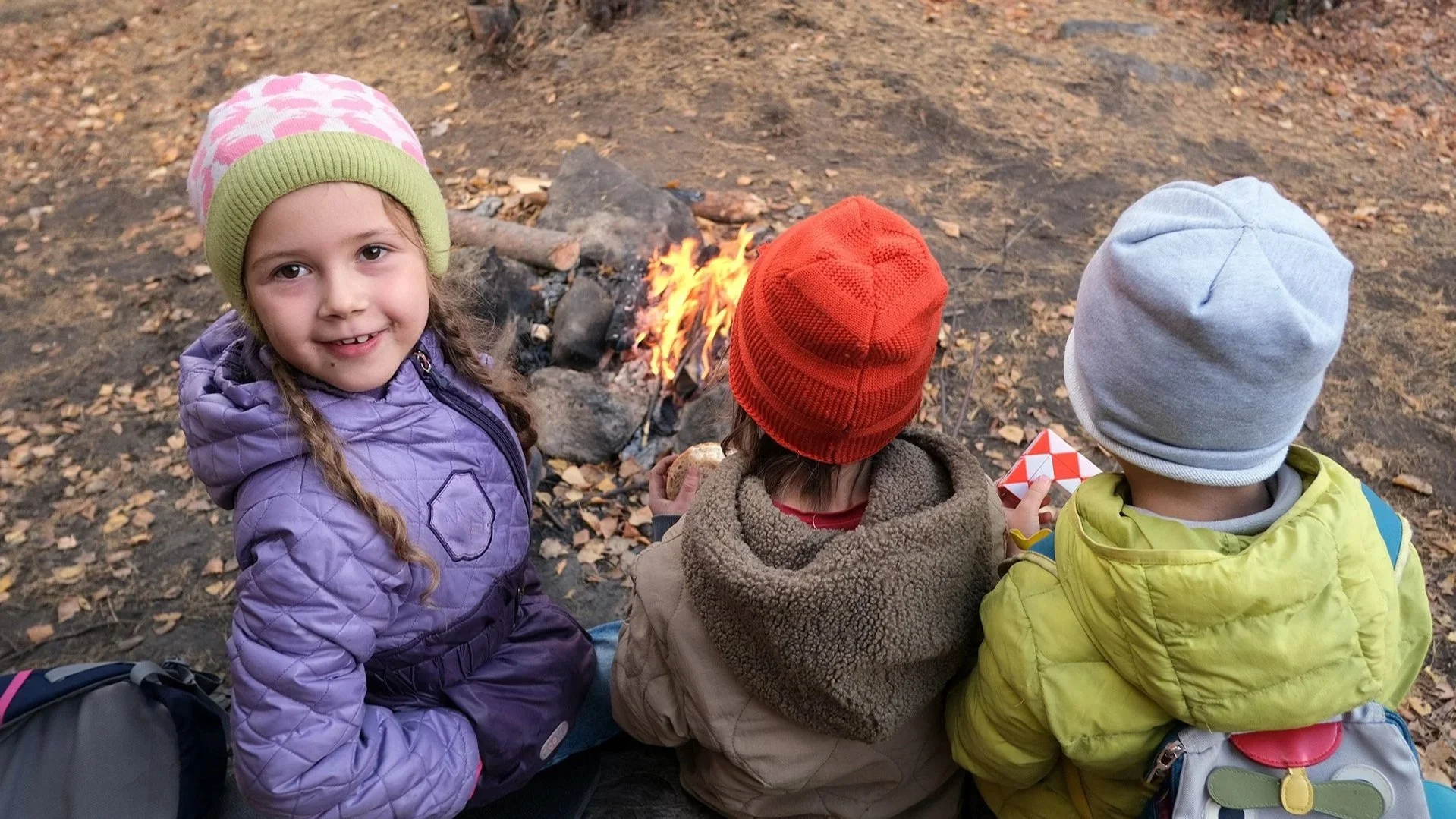
A new e-learning course from EVOLVE Advice provides essential top-up training for staff leading and accompanying educational visits.
The short, online course, Allergy and Anaphylaxis Safety on Educational Visits, is designed to complement whole-school allergy training, which is a requirement under new statutory guidance. It provides specific advice on how to plan and manage educational visits that are safe and inclusive for pupils (and staff) with allergies.
Benedict’s Law and the DfE’s Allergy Safety in Schools guidance introduced a wider set of measures that schools must implement to address the risk of allergy and anaphylaxis including having a whole school allergy policy, holding spare adrenaline devices and training all staff on allergy and anaphylaxis.
Jake Wiid, Director at EVOLVE Advice explains why schools should include specific training for educational visits in their allergy CPD:
“Allergy safety doesn't stop at the school gate, but the systems that keep pupils safe on site often do. On a visit, the familiar controls are gone: there's no school kitchen, no medical room, no office to call, and staff are working in unfamiliar settings with a changing group of adults.
“Allergy is a key area of risk for staff and pupils on educational visits which is why we have created a series of tools for schools to help them embed allergy safety in visit planning and risk management, including an allergy safety checklist, template policy wording, anaphylaxis emergency resources and training.”
The aim? Safer educational visits for all pupils
Managing allergies on educational visits is as much about the planning as it is about what happens on the trip. Inclusion is at the heart of the new guidance, which specifically says that schools must not prevent children and young people from participating, or create unnecessary barriers to participation in any aspect of school life, including external visits and trips.
“Our advisers regularly provide advice on how to include pupils with allergies on visits”, Jake explains.
“We start from the position of inclusion, and work with EVCs to find solutions through risk assessment, reasonable adjustments and, crucially, open communication with parents and carers, staff and providers/venues. In our experience, there is almost always a way to achieve what you want to from your visit while ensure that everyone can safely take part”.
Training is the key to safer visits
Staff competence and confidence are key factors for safe and successful educational visits. E-learning, live courses and free advice webinars combine with learning from experienced colleagues and internal training to give staff the tools to deliver high-quality visits.
Training is a core part of how EVOLVE Advice supports EVCs and wider school staff. View our courses, here.
For more advice on managing allergies on educational visits, speak to your Educational Visits Adviser. EVOLVE Advice clients can email advice@evolveadvice.co.uk for support with planning, risk assessment and inclusion related to medical conditions including allergy.
Further reading:
OEAP National Guidance 6o FAQs: Allergies and Anaphylaxis
EVOLVE Advice AdviceONLINE article ‘Allergy Safety in Schools. Final Guidance Published’
EVC Magazine advice articles Are You Allergy Confident? (Autumn 2025-26 p30-31); Food Allergies: A Recipe for Exclusion? (Autumn 2023-24 p32-33)
About the course: Allergy and Anaphylaxis Safety on Educational Visits
E-learning for Educational Visits Coordinators, Visit Leaders, and staff or volunteers who lead or accompany offsite visits. This course is designed to build on your general allergy training, not repeat it. Allergy and Anaphylaxis Safety on Educational Visits focuses on what changes on a visit and how to plan for it.
You will learn how to:
Identify the allergy risks that are specific to offsite activities, residentials and overseas visits
Build allergy management into visit planning, risk assessment and approval
Ensure adrenaline auto-injectors and medical information travel with the pupil, and that every staff member knows where they are and who carries them
Work with providers, venues, caterers and transport operators to manage food and environmental allergens
Plan your emergency response when you're away from school, including remote locations and settings where emergency services take longer to arrive
Brief accompanying staff and volunteers so everyone knows their role
Involve pupils and parents in planning so every child can take part safely and with confidence