

EVOLVE Advice and PGL Beyond Funded Immersive Visit to France
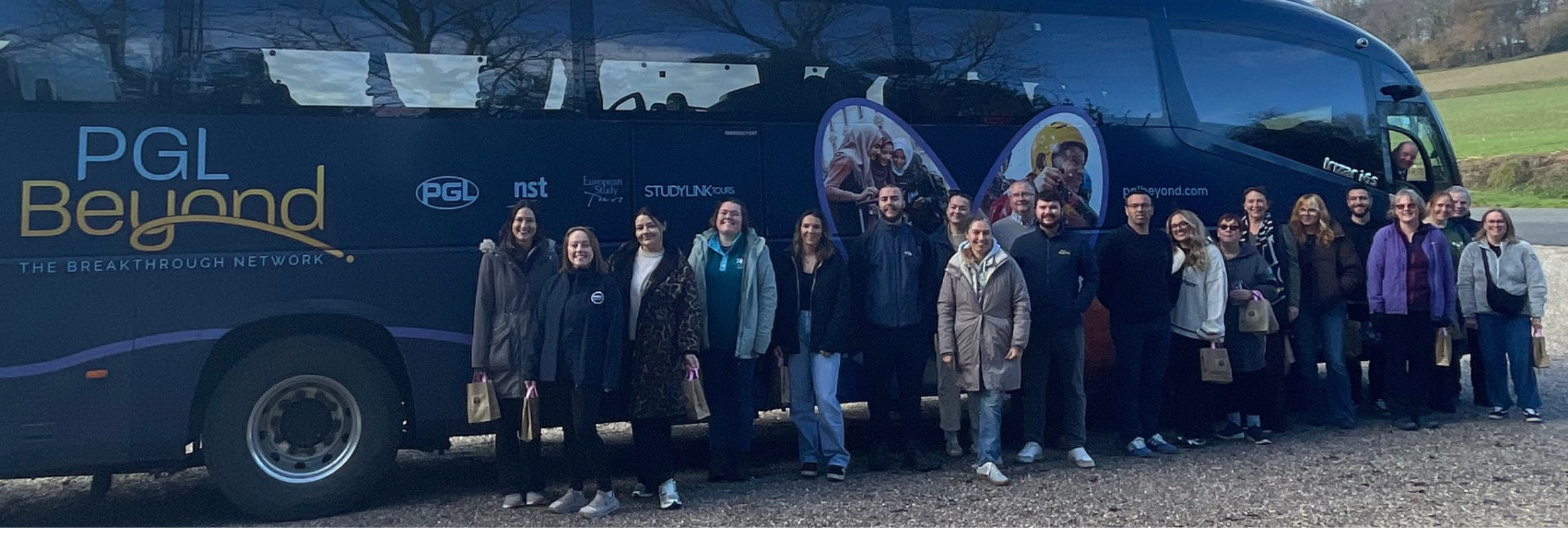
From 19 to 21 November, a group of delegates joined EVOLVE Advice and PGL Beyond for a fully funded immersive visit to France. Over three days they experienced an overseas educational visit first-hand: the travel, the border crossing, life on site at the Château d'Ebblinghem and what happens throughout a visit. They also completed Visit Leader training, giving them the knowledge and confidence to plan and lead safe Educational Visits.
We met outside Paddington Hotel; delegates received their Alpaca my bags tote bags and immersive handbooks and boarded the coach. We picked up our final passenger at Folkestone before heading to Dover to board the ferry.
Before the ferry, the NST leader collected everyone's passports to scan into the app. This created a passenger list and streamlined the crossing.
We also had a view of Dover Castle, our first reference to the First World War: its naval headquarters and its role in the Dunkirk evacuation – as explained to us by NST Subject expert David Rich.
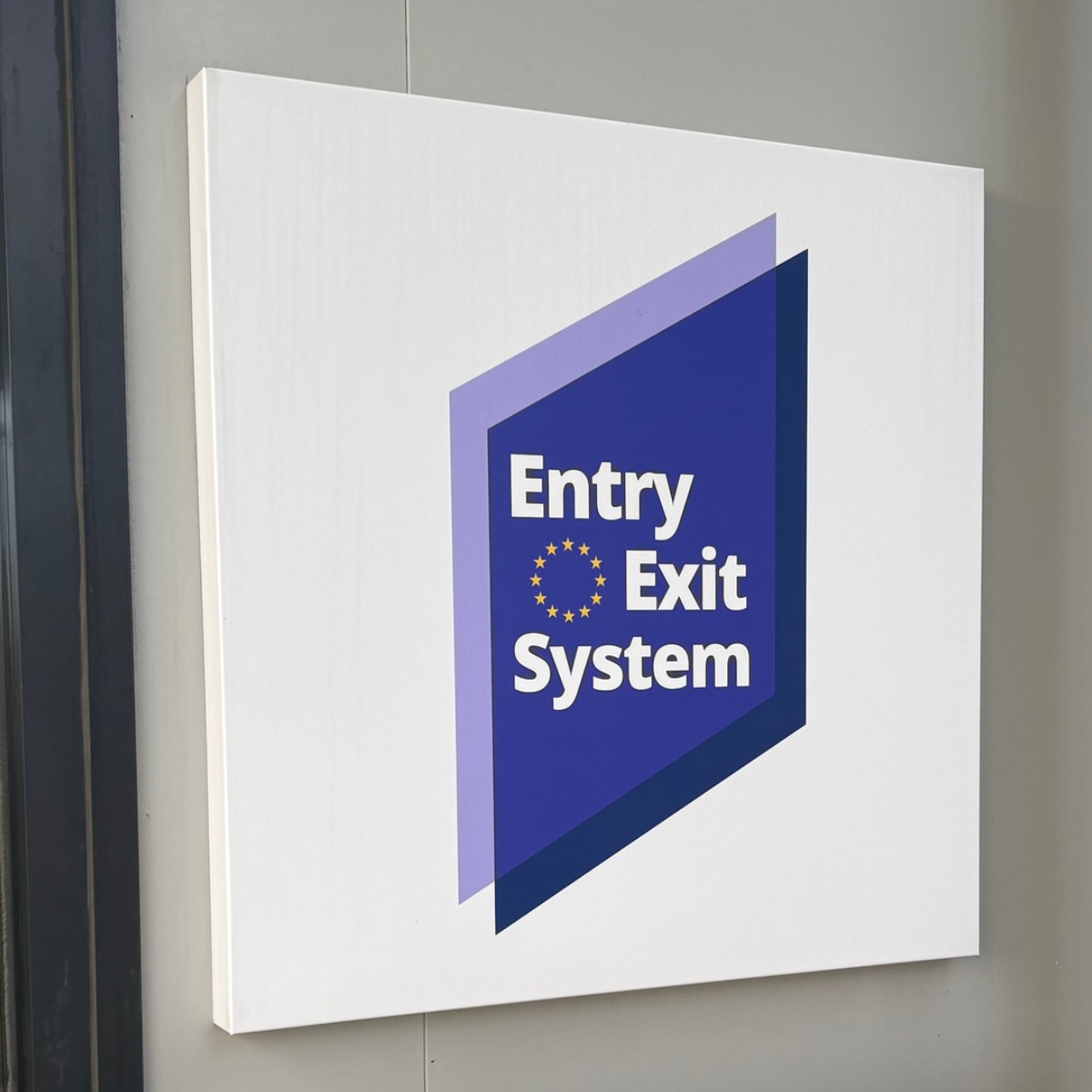
Getting the Ferry
The Ferry process: Wait to be let off the coach, queue to show passports, with fingerprinting and face scanning, return straight to the coach. Once this is done red tape will be placed on the coach.
Red tape: Red security seal tape or stickers are placed across coach doors by port authorities at the Port of Dover, to confirm that all passengers have cleared Entry/Exit System (EES) and passport checks before boarding the ferry
Real life Educational Visits Scenarios:
Once we had boarded the ferry, our advisers Angela and Emma held a group discussion on keeping children safe on the ferry. This prompted an interactive discussion from the group and our advisers providing practical advice to our visit leaders in training.
Throughout the journey and visit to France, Angela and Emma set a range of tasks and scenarios, for our 15 delegates to work through. Covering topics such as lost passports, group management and lost child, these real-life situations formed part of the Visit Leader training, giving delegates the chance to apply their learning in relevant settings.
We arrived at Calais, disembarked and continued onward to the St Omer region. On arrival we enjoyed a three-course meal: pumpkin soup, sausage and mash, and chocolate mousse, this is food that is served at the Chateau during Educational Visits. The menu changes each night, dinner offers a meat or fish option, a vegetarian option and a minimum of three vegetable choices, with the menu changing every day. Followed by an interactive quiz.
Day 2: Training, Chateau and Belgium
We started our day with breakfast, with a selection of fruit, cereals and pastries. We then made our packed lunch, a baguette we could fill with meats, cheese and salads which we then took with us and crisps and a biscuit. Exactly how students would on a visit.
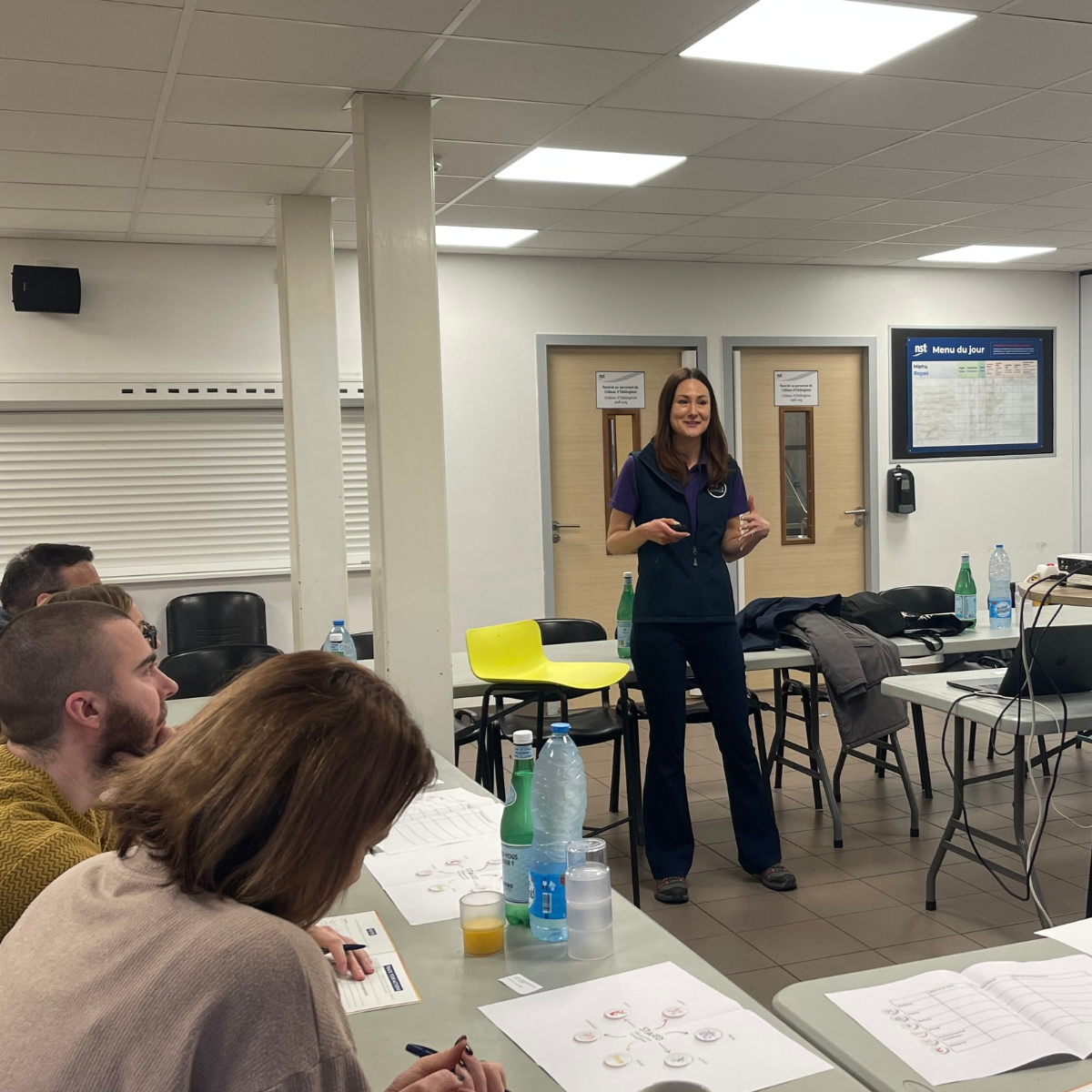
We then split into two groups, one group began part one of our Visit Leader training while the other group toured the chateau, then the groups swapped over.
Training:
The purpose of educational visits, planning educational visits, ensuring the right standards are in place, the sign-off process, the STAGED approach to event-specific risk assessment.
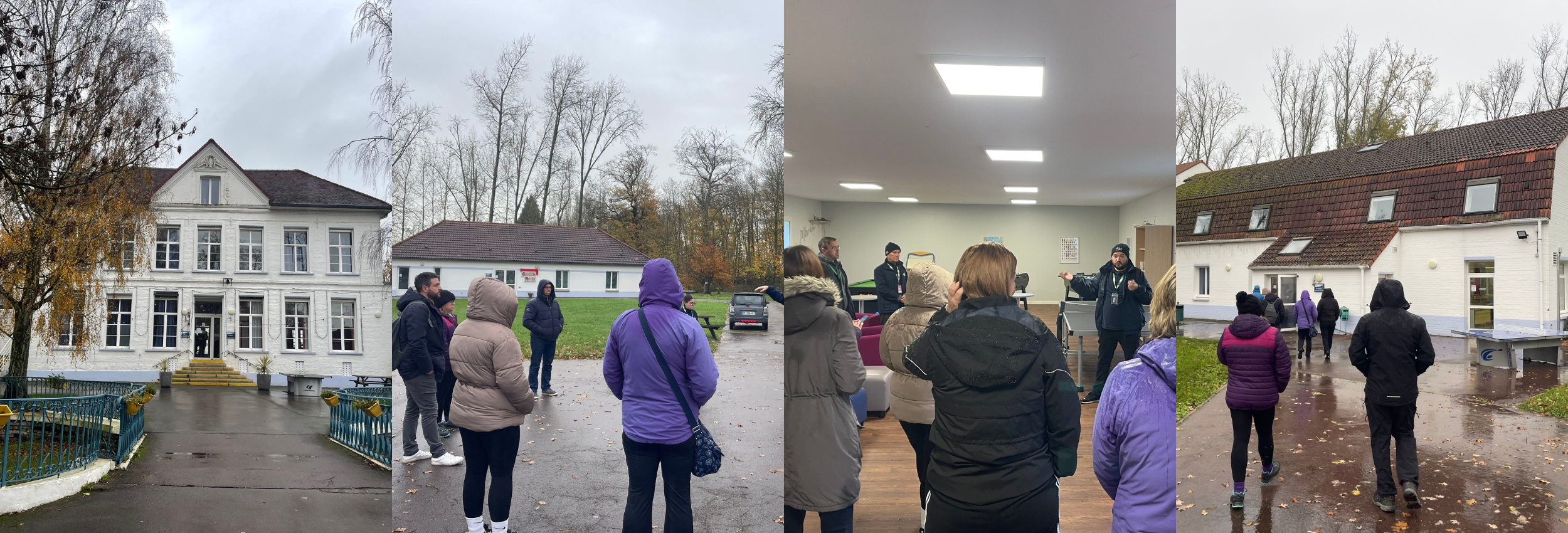
The Chateau tour took us around the grounds. Each school has its own building, set among the grounds. We heard about the activities on offer, including sports, cheese tasting and games rooms. Teachers are looked after too: every building has a teachers' lounge with amenities.
We then boarded the coach to town of St Omer, for a trail seeing some historical sights including the Cathédrale Notre-Dame-de-Saint-Omer.
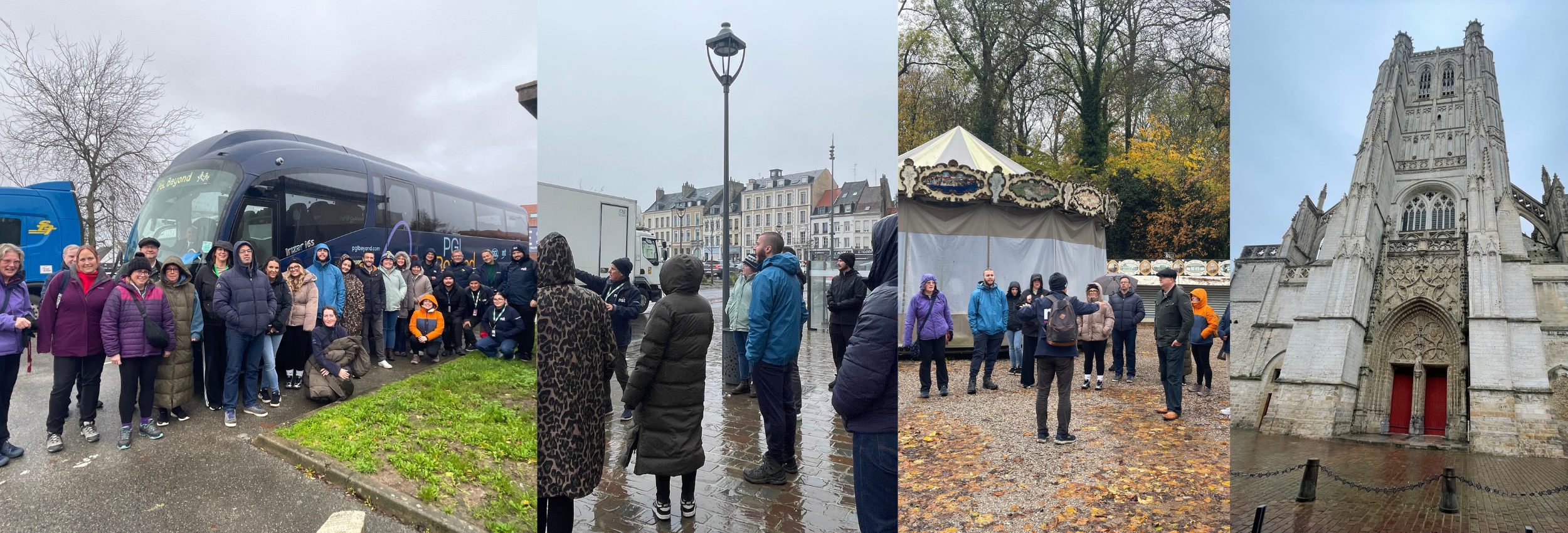
Belgium: Talbot House and The Lijssenthoek Military Cemetery and Casualty Clearing Station
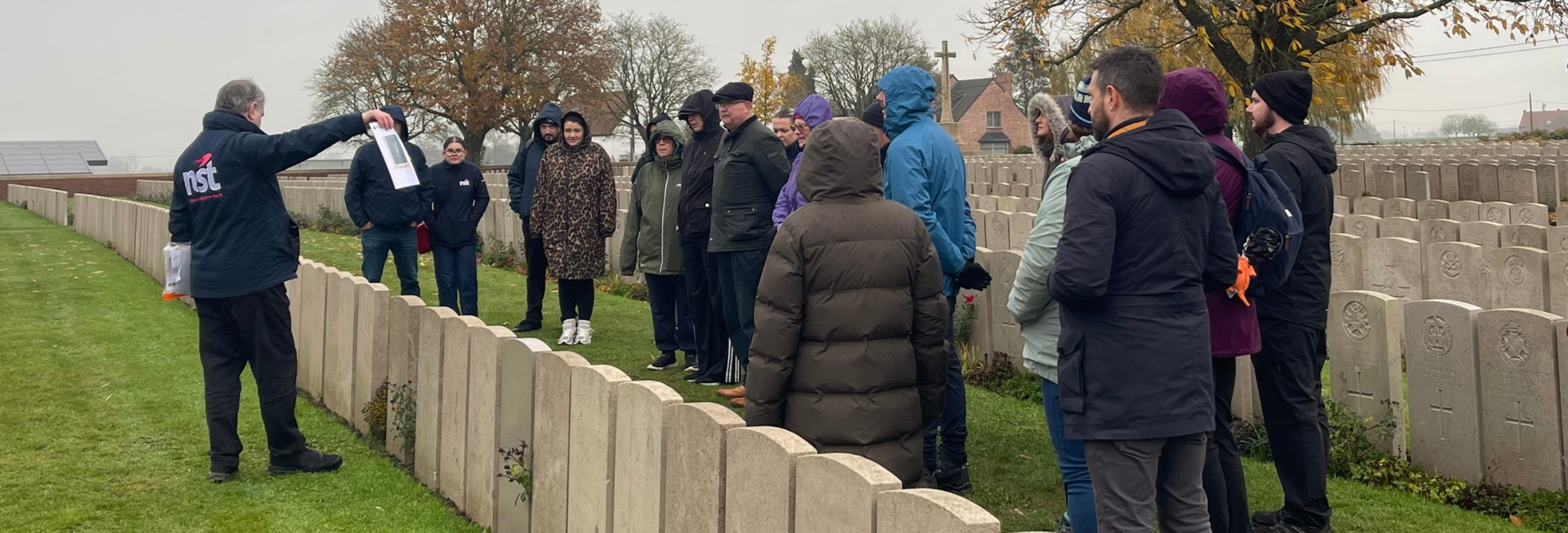
In Belgium we stopped for our packed lunch at Talbot House, opened in 1915 as a ‘beacon of peace’ for soldiers during the First World War. It continues to operate as an authentic British soldier's club, where everyone is welcome. After learning the history of Talbot house, we ate our packed lunch, had a hot drink and explored Talbot House’s exhibitions.
We then visited Lijssenthoek Military Cemetery and Casualty Clearing Station, the second largest Commonwealth military cemetery in the world, holding over 10,700 graves (mostly WWI) and a visitor centre. Delegates were each given the details of the soldier who died closest to their school's location by NST Subject expert David Rich, and a cross to plant by the grave. David does this with his school groups, with small groups of children each planting a cross at a different grave.
We headed back to Château d'Ebblinghem to complete the final training session all together.
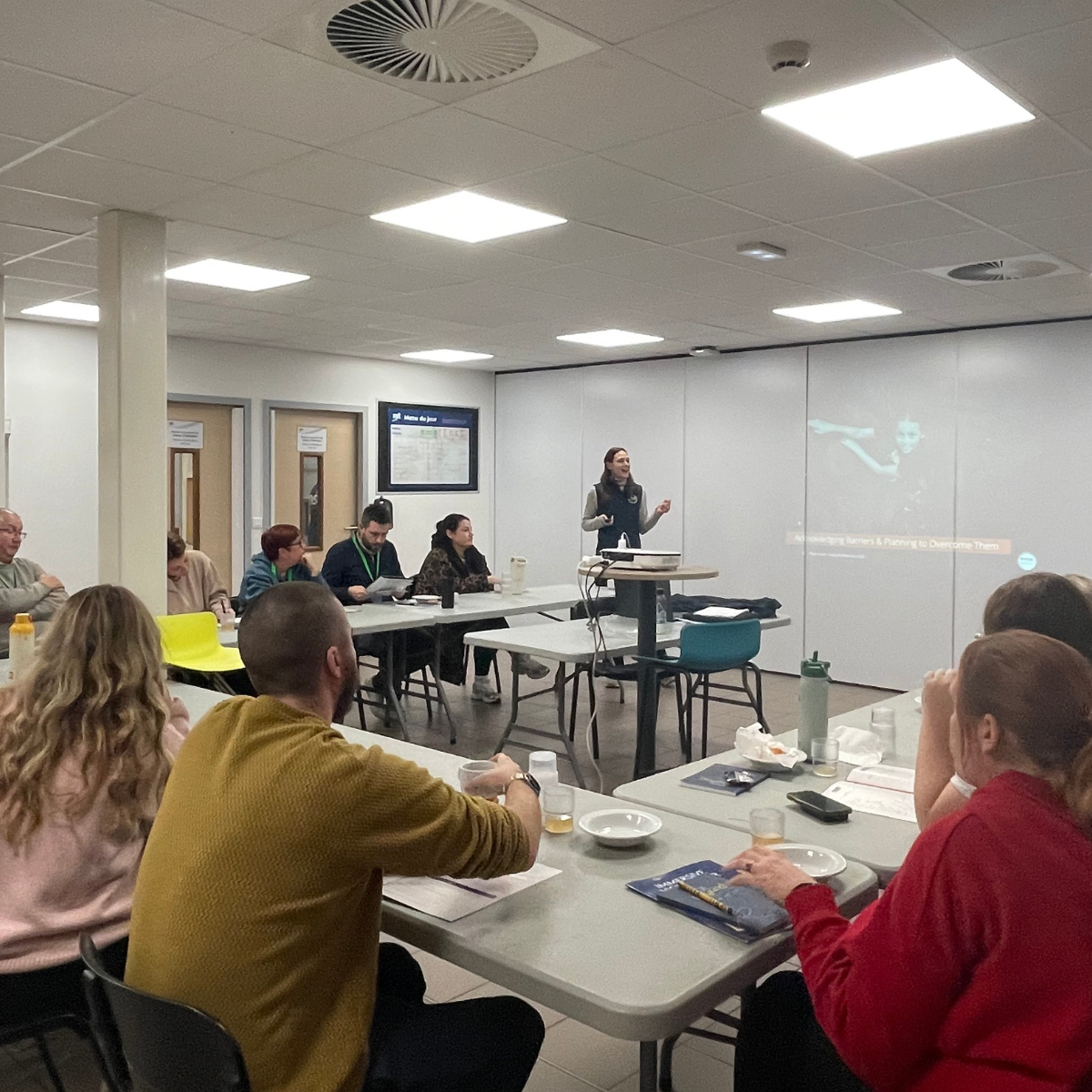
Key points covered in the Training:
Barriers and solutions, recapping scenarios covered during the day, competence of visit team, First Aid and National Guidance (employer’s policy), evaluation and reporting , Emergency Processes and Procedures, Q&A and truth or myth.
After completing training, we ate dinner together and finished the evening with subject expert David Rich, who showed us a selection of WW1 artefacts.
Day 3: Beussent and the Journey Home
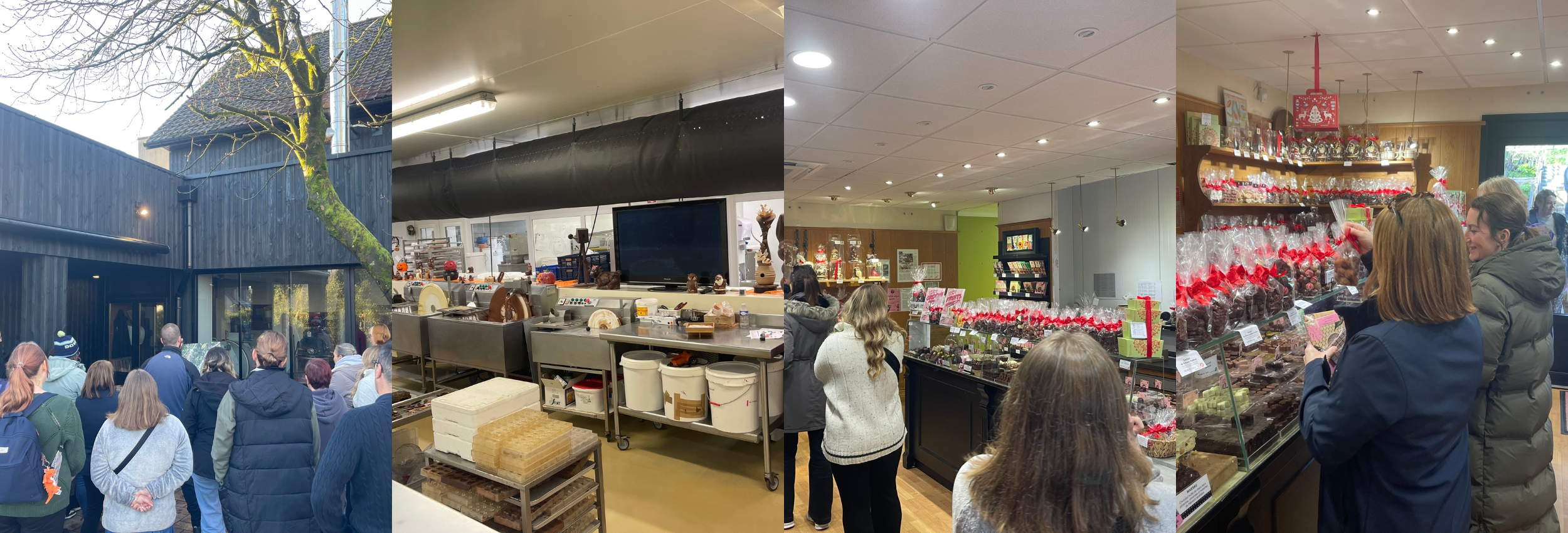
Our final day included a visit to Chocolaterie Beussent Lachelle. An artisanal chocolate factory and shop in the village of Beussent in Pas-de-Calais, northern France.
We heard about the 40-year history of the business, how chocolate is produced from cocoa beans, and how their beans are sourced from the company’s own plantation on the Rio Napo in Ecuador. We heard about the process including the roasting, conching and moulding stages. We then watched a demonstration of making a double heart chocolate with praline filling, we all enjoyed some samples and went into the boutique and bought some chocolate before boarding the coach.
Border checks at the Eurotunnel
After leaving Beussent, we headed to the Eurotunnel terminal. At the first building, French border control scanned our passports before we returned to the coach. The driver then took us through to UK border control, we then drove onto the LeShuttle.
The Eurotunnel LeShuttle crossing is from Calais to Folkestone and takes about 35 minutes, another of the ways to experience the travel side of an overseas visit.
We then departed Calais on the Eurotunnel, we arrived at Folkestone, disembarked and continued to London.
We all arrived at London Paddington Station and made our own journeys home.