

Keeping school groups safe in cities abroad
Recent protests in cities across Europe have been front of mind for staff leading upcoming visits. Andy Smith explains how good planning, clear communication and a flexible plan B can help you lead city visits abroad with confidence.
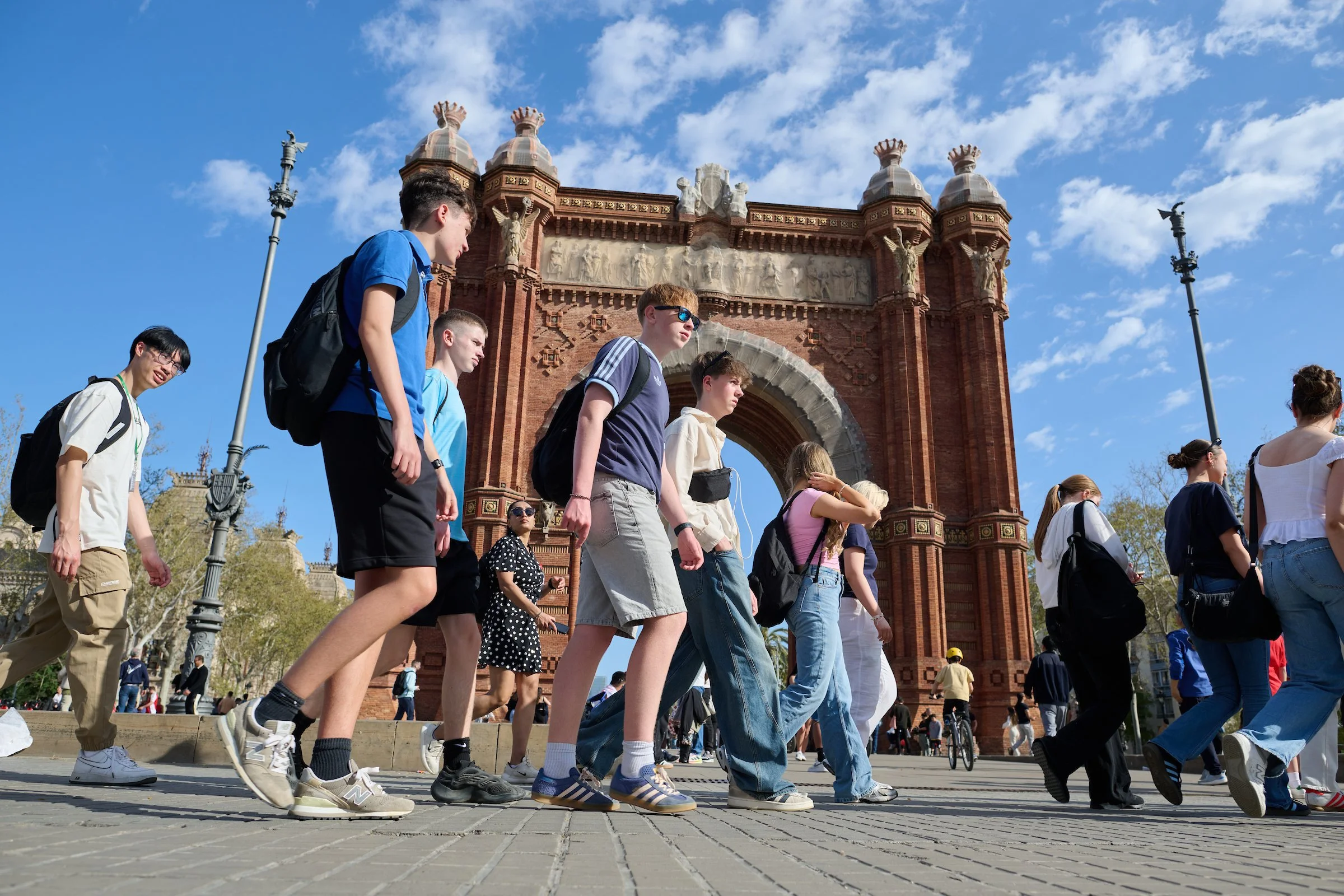
Students visiting Barcelona. Credit: PGL Beyond
Key takeaways
Check FCDO travel advice during planning, before you leave and while you’re away
Build disruption, separation and an unplanned overnight stay into your risk assessment and emergency plan
Make sure all staff have charged phones and each other’s numbers, and give every pupil a contact card
Agree how you’ll contact your school’s emergency contact and how to keep parents informed
Use smaller groups with named leaders, agreed meeting points and regular headcounts
Avoid lingering in crowds and move through stations and airports efficiently
Have a plan B for each day and be ready to use it if things change
Get more tips on effective risk assessment for educational visits - watch our free webinars on demand.
Keeping your group safe in busy cities abroad
If you’ve been watching the news over the past few weeks, you’ll have seen large protests in cities across Europe, including Paris, Lyon, Rome, Milan and Florence. Some of them involved clashes with police and disrupted transport or day to day activities. If you have an overseas visit coming up, it’s natural to ask what this means for you.
Your first question is likely to be ‘should we cancel?’ (parents may be asking this too).
The answer depends on a wide range of factors, but keep in mind that cities have always been busy, lively and sometimes unpredictable places, and that’s part of what makes them such rich places to learn.
Ultimately, the decision of whether the visit goes ahead sits with the Headteacher and they’ll need the right information to help them make that call.
Unless the FCDO advises against travel =>gov.uk/foreign-travel-advice, cancellation is likely to be seen by your insurers as disinclination to travel and is unlikely to be covered; ask now, so you know where you stand. Your provider (if you’re using one) will be able to advise you about the situation on the ground and what your options are. You might have planned to visit specific high-profile locations but could you change your itinerary and still achieve your visit aims?
The planning that keeps your group safe on any city visit is the same planning that will help you if something unexpected happens. OEAP National Guidance is clear that this should be proportionate. Civil unrest is one more risk to plan for, not a reason to cancel.
In preparation for your visit, now is the time to review the actions that make a real difference.

image by Kevin Oetiker on Unsplash
Start with good information
Your first port of call is the FCDO travel advice for your destination. Check it when you start planning, regularly in the run up to the visit, just before you leave, and while you’re away. Sign up for the FCDO’s email alerts, so you’re alerted to any changes as soon as they’re published.
If there are protests, find out what they’re about - (e.g tourism, immigration, workers rights) and consider if your group might be a particular target.
It’s also worth getting to know the city before you go – a pre-visit is ideal if you can. Find out where the main squares and civic buildings are, because these are often where demonstrations gather, and think about whether your route takes you through them. Ask your venues and tour operator about their security guidance and how they would let you know about disruption. Then build these risks into your risk assessment and emergency plan, including transport disruption, a pupil getting separated or an unplanned overnight stay.
Communication goes both ways. Keep parents/carers and pupils in the loop as plans change – proactive communication can head-off concerns and reassure everyone involved.
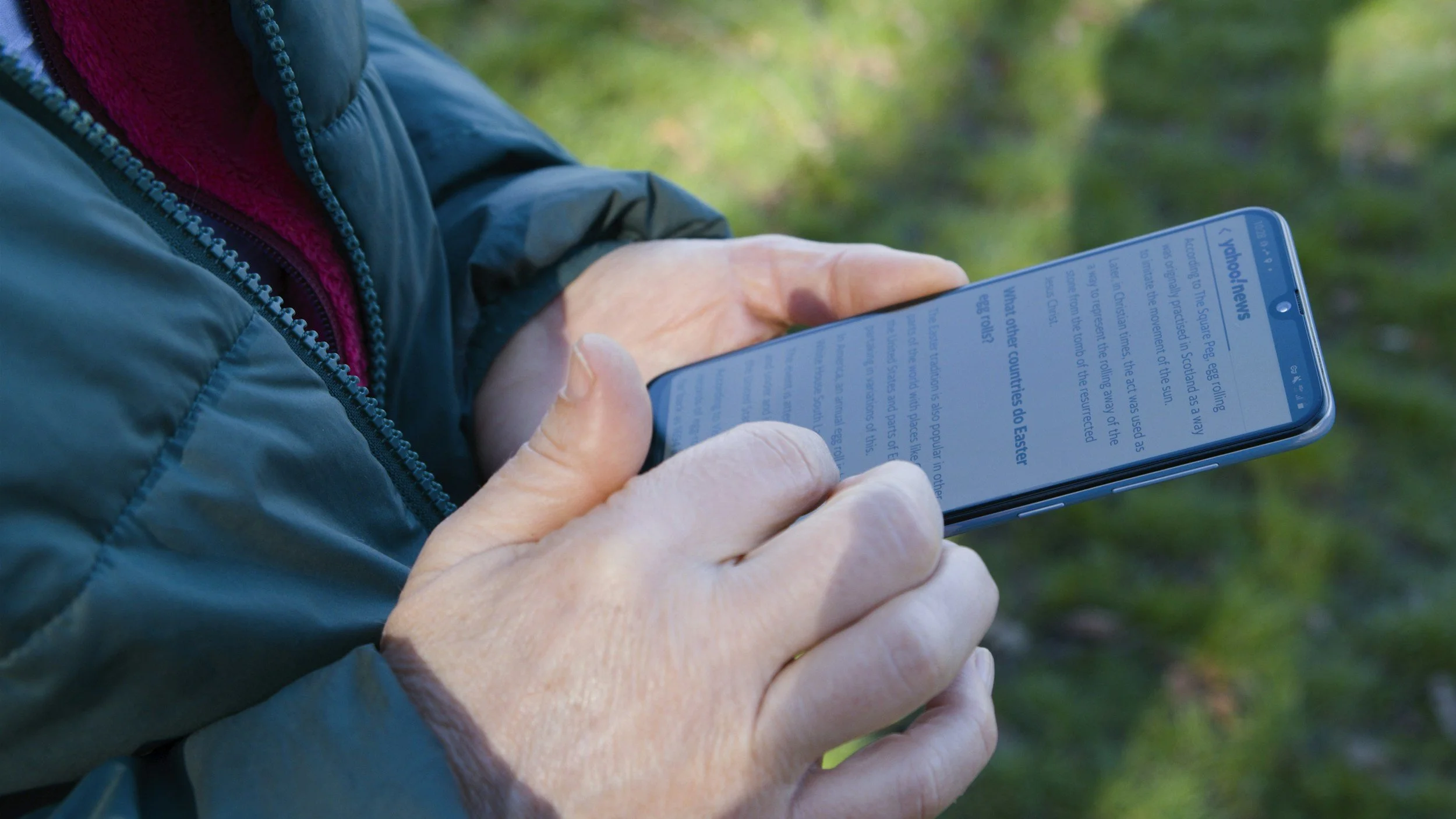
Image by Marc Pell on Unsplash
Make sure everyone can reach everyone
When something changes quickly, good communication is what keeps a group together. Every member of staff should have a charged phone and power bank – plus an (offline) list of contact numbers just in case. A staff WhatsApp group works well for quick updates if that’s allowed by your employer. Give each pupil a contact card in case they get separated with a staff emergency number on it and accommodation address.
Agree beforehand how you’ll reach your school’s emergency contact and how parents will be kept informed, and make use of your school emergency contact – they will do most of this communicating so you can concentrate on supervising your group. It’s also worth knowing that 112 is the emergency number across the EU.
It’s good practice to keep communications strictly between parents/carers and the school (not the Visit Leader) for routine updates and emergency response.
Think about how you move as a group
Large groups are harder to keep track of, especially in crowds and at stations. Splitting into smaller groups, each with a named leader, makes a big difference, as does spreading staff around the group instead of walking together at the front. Something as simple as matching hoodies or caps makes your pupils much easier to spot.
Try not to wait around in crowds or outside venues for long, and move through airports and stations efficiently. Pre-booking entry slots will keep things moving – providers can often help with this. Agree meeting points and take regular registers, and make sure everyone knows where to go if they lose sight of the group. When you brief pupils, include the Run, Hide, Tell principles; pitch it at their age and aim to reassure rather than alarm.
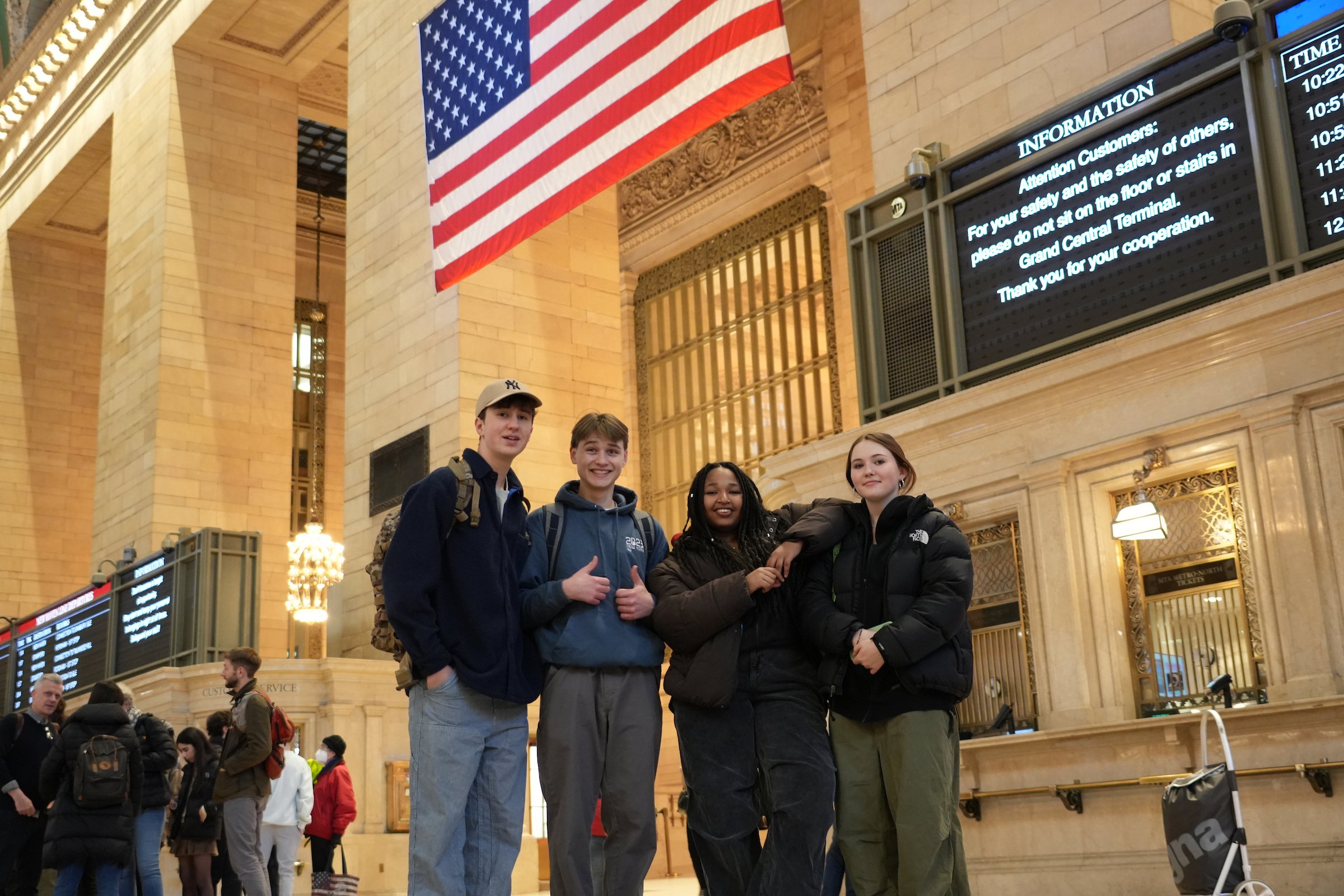
Apply the same principles to visits further afield too. New York - credit: PGL Beyond
Be ready to change the plan
It helps to have a plan B for each day that keeps you clear of any trouble, such as an indoor alternative or an activity in a different part of the city.
Changing the plan or heading back early is good judgement, not a failure.
However well you plan, sometimes you’ll need to adapt on the day. Keep an eye out for early signs that things are changing, such as crowds building, a heavier police presence, or shops and metro stations closing. Making small changes to your route or timings allows you to avoid passing through specific locations or witnessing unsettling scenes.
If you’re unsure, move the group away. Changing the plan or heading back early is good judgement, not a failure. If an incident does happen, follow instructions from local police and emergency services, and lead calmly. Clear, simple instructions from a confident adult are what your group (and team) will need most. As Visit Leader you’ll need support too – keep your school emergency contact up-to-date so they’re ready to help you if you need them.
For more advice on overseas educational visits, contact your Educational Visits Adviser.

Andy Smith
Andy is Associate Director of Advice and Operations at EVOLVE Advice.
Do you want to hear more advice and updates like this? Sign up for our Educational Visits Essentials emails.
Further Reading
OEAP National Guidance 7.1j Visiting Cities, 7.1r Overseas Visits and 4.4e Terrorism at oeapng.info
Beyond the Gates 1.4.3 Terrorism awareness and safety at evolveadvice.co.uk/beyond-the-gates
FCDO foreign travel advice at gov.uk/foreign-travel-advice
ProtectUK at protectuk.police.uk
This publication is a general summary of guidance. It should not replace advice tailored to your specific circumstances. ©️EVOLVE Advice 2026
If you’d like further support on this issue, or advice on other aspects related to educational visits, speak to your Educational Visits Adviser.