

Should adrenaline nasal sprays be available to schools?
Should adrenaline nasal sprays be available to schools?
The Medicines and Healthcare Regulatory Authority has launched a consultation on making adrenaline nasal spray (ANS) devices – sometimes known as EURneffy® or neffy® – available for purchase by schools for use in anaphylaxis.
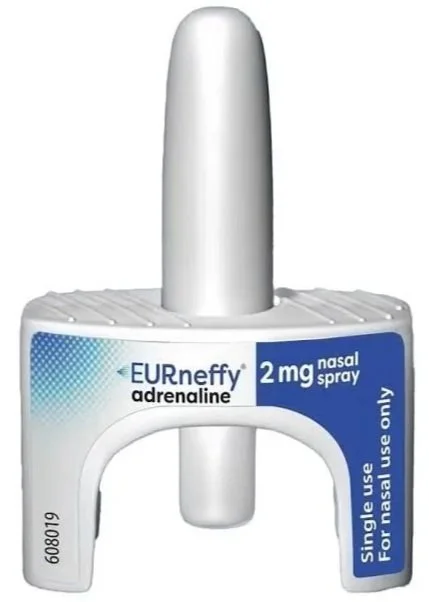
Adrenaline Nasal Sprays and AAIs
‘Neffy’ and adrenaline auto-injectors (e.g EpiPen or Jext) contain the same drug (epinephrine) for treating anaphylaxis and both come in different dosages for younger children and adults. The mode of delivery is different - neffy is sprayed into the nostril.
In July 2025, the MHRA approved adrenaline (epinephrine) nasal spray (EURneffy) to be used for the emergency treatment of serious allergic reactions (anaphylaxis). This means that some pupils (and staff) may already be using the devices instead of AAIs, but they are not currently available for purchase by schools to hold as spare emergency devices.
The consultation proposes amending the Human Medicines Regulations 2012 to allow schools to purchase and hold spare Adrenaline Nasal Sprays alongside Adrenaline Auto-Injectors. This would extend the existing legal exemptions for AAIs to ANS, meaning that schools could hold them as spares and them in emergencies without a prescription for a named individual.
The proposed changes would give schools the choice of whether to stock Adrenaline Auto-Injectors, Adrenaline Nasal Sprays, or both. In an allergy emergency, either product could be used regardless of which type of adrenaline device the pupil has been prescribed. The policy would continue to be that school-held adrenaline devices are not a replacement for pupils carrying their own prescribed medication. The same safeguards would apply that already exist for school-held AAIs. Spare devices would be held for pupils known to be at risk of anaphylaxis and staff would need to be trained to administer them.
MHRA wants to hear from school leaders, teachers, teaching assistants, and non-teaching school staff as well as individuals at risk of anaphylaxis, parents, family members and carers, healthcare professionals, school nurses and members of the public.
The Consultation closes on 14 December.
Further reading:
OEAP National Guidance 6o FAQs: Allergies and Anaphylaxis
EVOLVE Advice AdviceONLINE article ‘Allergy Safety in Schools. Final Guidance Published’
EVC Magazine advice articles Are You Allergy Confident? (Autumn 2025-26 p30-31); Food Allergies: A Recipe for Exclusion? (Autumn 2023-24 p32-33)
Find out more about Adrenaline Nasal Spray EURneffy from anaphylaxis UK
For support with allergy compliance, visit The Allergy Team
For more advice on managing allergies on educational visits, speak to your Educational Visits Adviser. EVOLVE Advice clients can email advice@evolveadvice.co.uk for support with planning, risk assessment and inclusion related to medical conditions including allergy.
EVOLVE Advice has a free allergy safety toolkit to support you with allergy safety on your visits including checklists, template policies, free posters and more. Click the button below to access the toolkit,
e-learning: Allergy and Anaphylaxis Safety on Educational Visits
E-learning for Educational Visits Coordinators, Visit Leaders, and staff or volunteers who lead or accompany offsite visits. This course is designed to build on your general allergy training, not repeat it. Allergy and Anaphylaxis Safety on Educational Visits focuses on what changes on a visit and how to plan for it.
You will learn how to:
Identify the allergy risks that are specific to offsite activities, residentials and overseas visits
Build allergy management into visit planning, risk assessment and approval
Ensure adrenaline auto-injectors and medical information travel with the pupil, and that every staff member knows where they are and who carries them
Work with providers, venues, caterers and transport operators to manage food and environmental allergens
Plan your emergency response when you're away from school, including remote locations and settings where emergency services take longer to arrive
Brief accompanying staff and volunteers so everyone knows their role
Involve pupils and parents in planning so every child can take part safely and with confidence