

Overseas visits: what's changed since June

Are you planning an educational visit to Europe this year? Several rules for school groups have changed since June. Here's what's new and what you need to do about it.
For groups heading to France, the key changes are at the Channel crossings. LeShuttle now offers a simpler fast track for school coaches at Folkestone, and the EU's summer flexibility on EES border checks has technically ended, so allow extra time at the border. Travelling further afield? Portugal now requires a certified, legalised letter for every pupil, and eligible pupils can visit Germany without a Schengen visa.
If you're crossing from Dover, our April article MOANA UK-France school group border process extended to Calais and webinar resources explain how the fast-track system works and how to sign up.
Don’t miss our webinar on overseas visits on 22 October 2026. We’ll talk through the latest changes and go into more detail on how to plan and manage safe, high-quality educational visits overseas. REGISTER NOW

Borders and school travel: What's changed since June
Portugal: every pupil needs a certified, legalised letter
The Foreign, Commonwealth & Development Office (FCDO) updated its Portugal travel advice to align with the Portuguese authorities in August 2026. Children aged 17 and under who travel without a parent or legal guardian must carry a letter of authorisation. On an educational visit, that means every pupil.
The letter must:
be signed and dated by the pupil's parent or legal guardian
have that signature certified by a notary or solicitor
have the notary's or solicitor's signature legalised by the UK government's Legalisation Office
be accompanied by a copy of the parent/carer’s passport
For full details of what the letter needs to contain and any accompanying documents, visit the FCDO Portugal entry requirements page.
Pupils should be ready to show the letter on arrival and when leaving Portugal. Without it, the FCDO warns that entry will be delayed and may be refused.
What this means for you
This adds costs and puts an additional burden on families. Raise it with parents and carers as early as possible and factor it into your planning timeline. Requirements can change so check the latest wording on the FCDO Portugal entry requirements page before you send anything to parents. If you're using a tour operator, ask how they're supporting groups with this.
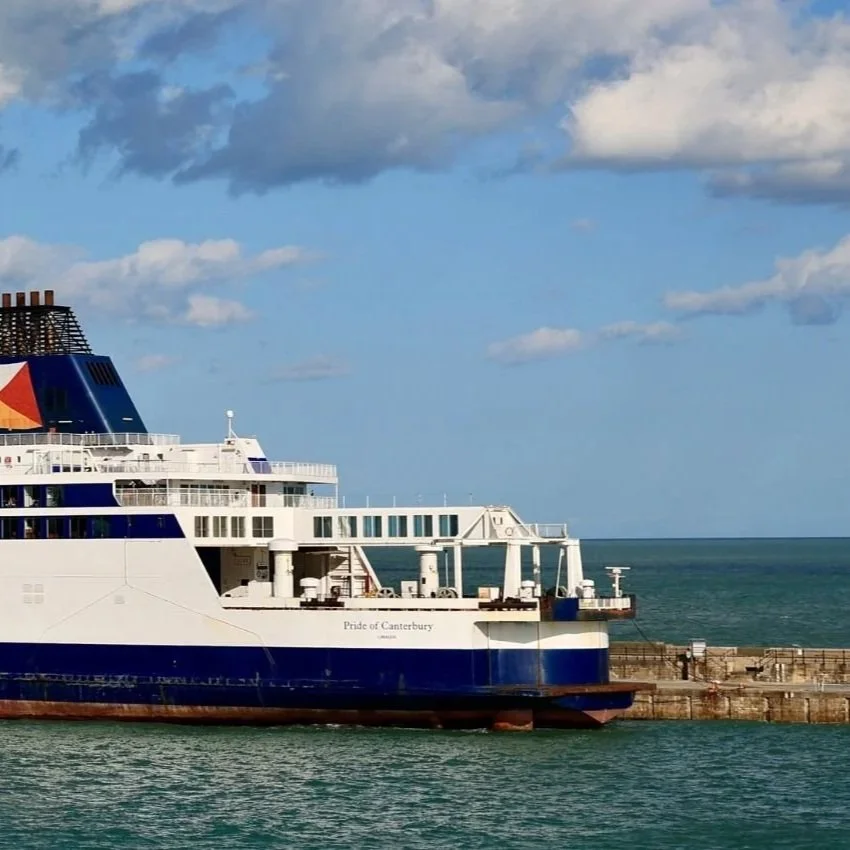
Crossing the channel: a simpler fast track for school coaches
The MOANA scheme continues to provide streamlined border processing on outward and return journeys by ferry between Dover and Calais.
Since July 2026, LeShuttle has also offered a simpler border process for eligible UK school groups travelling by coach from Folkestone to Calais. Unlike MOANA, you don't need to submit a passenger spreadsheet. Instead, you tell LeShuttle in advance and make a declaration at the terminal on the day. LeShuttle then sends a coach sign to print and display in the windscreen.
Germany: no Schengen visa for eligible pupils
Since August 2026, pupils who would normally need a Schengen visa can travel to Germany without one if they are enrolled at a British School and are named on a List of Travellers certified by the school. The group must be from a UK school, accompanied by teachers for the whole trip, and carrying an official letter from the school. Pupils must travel out and back with the group.
Find the form and guidance on the German government website.
EES: the summer flexibility has ended
The EU's Entry/Exit System (EES) has been in operation since April. Until 6 September, border staff could pause biometric checks when queues got too long. That mechanism has now officially expired, although the EU has accepted that implementation is delayed or needs flexibility in some countries. As a result, waiting times vary.
If you travel via the Port of Dover, LeShuttle at Folkestone or Eurostar at St Pancras, EES checks take place before you leave the UK. Pupils aged 11 and under don't give fingerprints but may have their photo taken. Allow extra time at every border, on the way out and on the way home.
ETIAS: still no start date
The EU's online travel authorisation (ETIAS) is not yet in operation and no launch date has been confirmed. The EU says it will announce the date several months in advance, and recent reports suggest it may not start until 2027. You don't need to do anything yet, but it's worth being aware for visits planned in 2027.
Stay up to date with the latest in school travel through out Essentials and Guidance newsletters. Subscribe here for updates direct to your inbox. /subscribe

Europe entry requirements at a glance
Use this as a quick check when you're planning your next trip.
Visas: pupils who aren't British citizens may need a Schengen visa. Check with the relevant embassy or embassies. For Germany, eligible pupils can now use a List of Travellers instead (see above).
Dual nationals: to re-enter the UK, British citizens need a UK passport or a certificate of entitlement.
Extra documents for children: some countries require additional paperwork for under-18s travelling without their parents. Portugal now requires a certified and legalised letter for every pupil. Check before you travel.
Dover to Calais (and return): submit passenger details in advance through your ferry company's MOANA system to speed up checks.
Folkestone to Calais by train: LeShuttle has its own fast-track process for school coach groups.
EES: the EU's biometric border checks are now fully operational, but waiting times still vary between ports and airports. Under-12s aren't fingerprinted. The rules allow countries to exempt some pupil exchange schemes and educational projects, but don't assume your group qualifies. Ask your operator how your group will be processed.
ETIAS: the new online travel authorisation isn't in force yet. The start date is still to be confirmed.

Funding spotlight: Erasmus+
The UK rejoins Erasmus+ from 2027, which means funding for pupils to learn abroad as a class, a group or individually.
The next funding round is expected to open in November 2026, so now is a good time to start talking to partner schools.
Here's what schools can apply for, according to the Department for Education's guidance for schools:
Group visits: up to 30 pupils, plus staff, can spend between 2 days and a month at a partner school abroad. There's no minimum age, so primary schools can take part too.
Individual placements: pupils can study at a partner school for 10 to 29 days, or for up to a year.
Staff development: teachers and other staff can job shadow, teach or train in a partner school.
Visits must be genuinely educational and involve pupils from at least two countries. Applications come from schools, trusts or local authorities, not from individual pupils or staff.
Find out more on the Erasmus+ programme page on GOV.UK.
Do you want to hear updates like this when guidance changes? Sign up for our guidance alerts.
Further Reading
FCDO foreign travel advice: check the entry requirements for every country on your route, including the ones you pass through.
EU Entry/Exit System guidance on GOV.UK: what to expect at the border.
School travel between the UK and France: need to know: our webinar with P&O Ferries on MOANA and preparing for the crossing.
MOANA: faster border checks for school groups: our April update.
EVOLVE Advice clients can find overseas visit guidance in Beyond the Gates, ask eva! through their EVOLVE site, or email our team at advice@evolveadvice.co.uk.
This publication is a general summary of guidance. It should not replace advice tailored to your specific circumstances. ©️EVOLVE Advice 2026
If you’d like further support on this issue, or advice on other aspects related to educational visits, speak to your Educational Visits Adviser.